CREWPORT Blog

 Release Academy
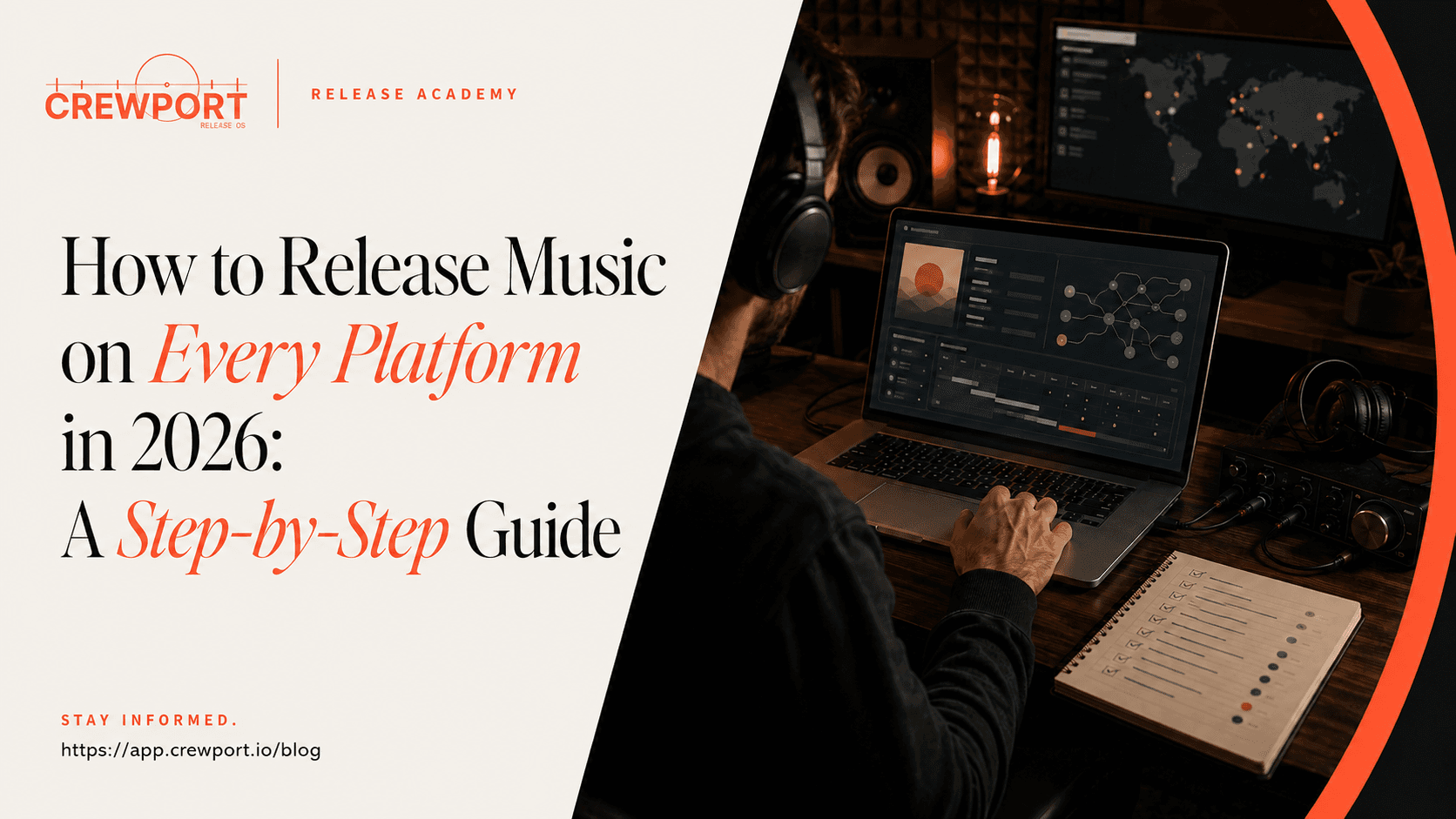
How to Release Music on Every Platform in 2026: A Step-by-Step Guide
The complete guide to releasing music on Spotify, Apple Music, and every other platform. Timing, metadata, artwork, editorial pitching, and pre-save — everything to do before and after release day.
Read article Release Academy
Music Metadata Guide for Independent Artists
Metadata is the information attached to your recording — the data that tells streaming platforms, royalty systems, and listeners what your music is, who made it, and who owns it. It's invisible to most listeners and absolutely critical to everything else. Get it right and your music is discoverable, correctly credited, and generating royalties from the moment it goes live. Get it wrong and you're looking at delayed releases, duplicate artist profiles, missing royalties, and corrections that can take weeks to propagate across platforms. Metadata is the information attached to your recording — the data that tells streaming platforms, royalty systems, and listeners what your music is, who made it, and who owns it. It's invisible to most listeners and absolutely critical to everything else. Most distribution problems are metadata problems.
Read article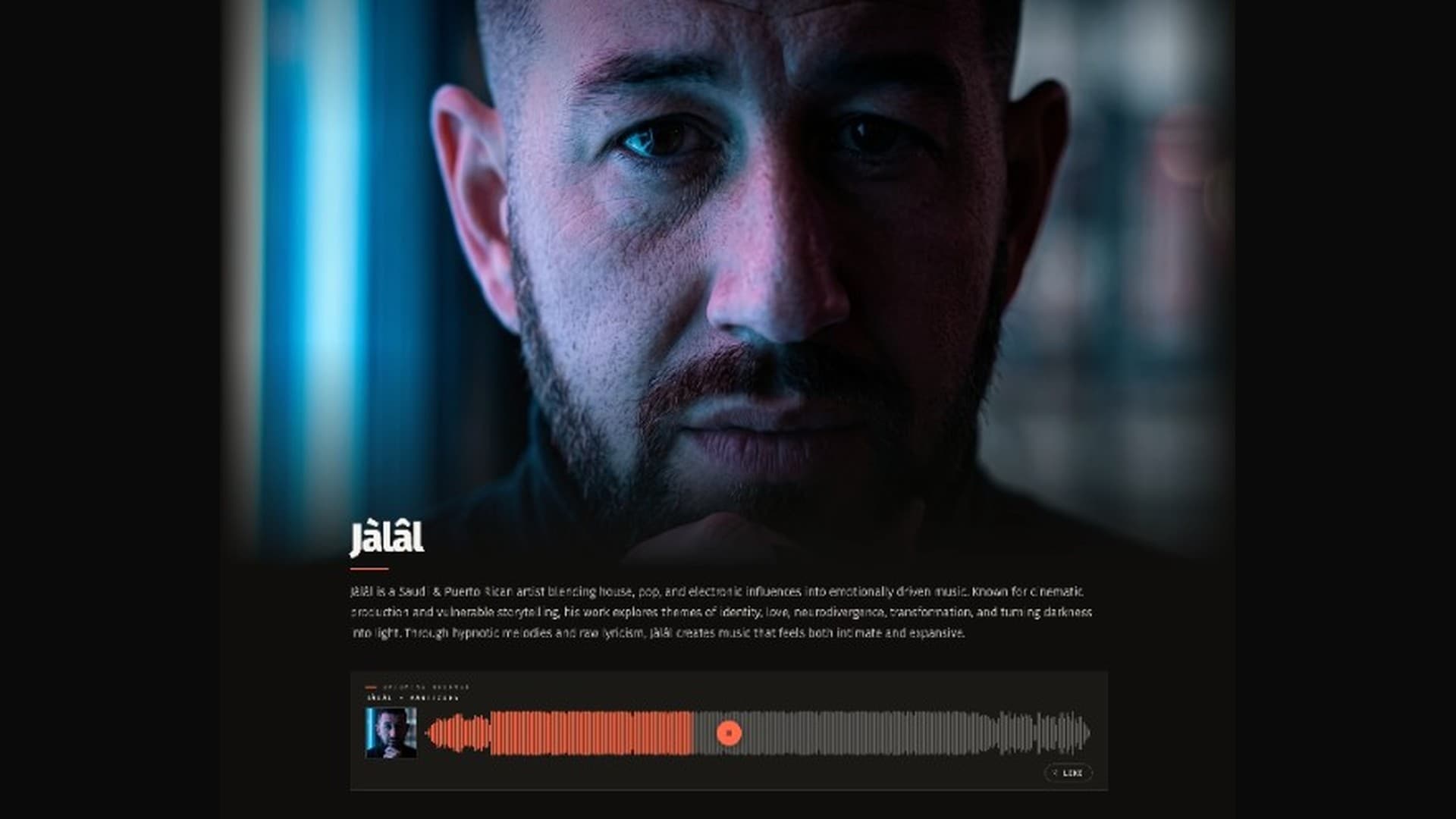 Platform News
Artist Pulse: the artist page that actually plays your music
One short link for bio and press — hero, snippets, collab demos, and real stats. Not another link-in-bio that hides your sound.
Read article Music Business
Every Type of Music Royalty, Explained — and Who Actually Pays You. Types of Music Royalties Explained: Who Pays Them and How to Collect.
One stream can pay you three different ways — and your distributor only handles one of them. Here's every type of music royalty, which copyright it comes from, who collects it, and the money most independent artists never claim." section: "Music Business
Read article Platform News
DistroKid vs TuneCore vs CD Baby vs CREWPORT: An Honest 2026 Comparison
A data-driven comparison of the main music distributors in 2026 — real pricing, hidden add-ons, commission structures, and what happens to your catalog when you stop paying. No hype, just the total cost of ownership.
Read articleRelease AcademyHow to Release Music on Every Platform in 2026: A Step-by-Step Guide
The complete guide to releasing music on Spotify, Apple Music, and every other platform. Timing, metadata, artwork, editorial pitching, and pre-save — everything to do before and after release day.
Read articleRelease AcademyMusic Metadata Guide for Independent Artists
Metadata is the information attached to your recording — the data that tells streaming platforms, royalty systems, and listeners what your music is, who made it, and who owns it. It's invisible to most listeners and absolutely critical to everything else. Get it right and your music is discoverable, correctly credited, and generating royalties from the moment it goes live. Get it wrong and you're looking at delayed releases, duplicate artist profiles, missing royalties, and corrections that can take weeks to propagate across platforms. Metadata is the information attached to your recording — the data that tells streaming platforms, royalty systems, and listeners what your music is, who made it, and who owns it. It's invisible to most listeners and absolutely critical to everything else. Most distribution problems are metadata problems.
Read articleMusic BusinessEvery Type of Music Royalty, Explained — and Who Actually Pays You. Types of Music Royalties Explained: Who Pays Them and How to Collect.
One stream can pay you three different ways — and your distributor only handles one of them. Here's every type of music royalty, which copyright it comes from, who collects it, and the money most independent artists never claim." section: "Music Business
Read articlePlatform NewsDistroKid vs TuneCore vs CD Baby vs CREWPORT: An Honest 2026 Comparison
A data-driven comparison of the main music distributors in 2026 — real pricing, hidden add-ons, commission structures, and what happens to your catalog when you stop paying. No hype, just the total cost of ownership.
Read articleRelease AcademyHow to Release Music on Every Platform in 2026: A Step-by-Step Guide
The complete guide to releasing music on Spotify, Apple Music, and every other platform. Timing, metadata, artwork, editorial pitching, and pre-save — everything to do before and after release day.
Read articleRelease AcademyMusic Metadata Guide for Independent Artists
Metadata is the information attached to your recording — the data that tells streaming platforms, royalty systems, and listeners what your music is, who made it, and who owns it. It's invisible to most listeners and absolutely critical to everything else. Get it right and your music is discoverable, correctly credited, and generating royalties from the moment it goes live. Get it wrong and you're looking at delayed releases, duplicate artist profiles, missing royalties, and corrections that can take weeks to propagate across platforms. Metadata is the information attached to your recording — the data that tells streaming platforms, royalty systems, and listeners what your music is, who made it, and who owns it. It's invisible to most listeners and absolutely critical to everything else. Most distribution problems are metadata problems.
Read articlePlatform NewsArtist Pulse: the artist page that actually plays your music
One short link for bio and press — hero, snippets, collab demos, and real stats. Not another link-in-bio that hides your sound.
Read articleMusic BusinessEvery Type of Music Royalty, Explained — and Who Actually Pays You. Types of Music Royalties Explained: Who Pays Them and How to Collect.
One stream can pay you three different ways — and your distributor only handles one of them. Here's every type of music royalty, which copyright it comes from, who collects it, and the money most independent artists never claim." section: "Music Business
Read articlePlatform NewsDistroKid vs TuneCore vs CD Baby vs CREWPORT: An Honest 2026 Comparison
A data-driven comparison of the main music distributors in 2026 — real pricing, hidden add-ons, commission structures, and what happens to your catalog when you stop paying. No hype, just the total cost of ownership.
Read articleBlog
Ideas, updates, and stories for your music
How-tos, CREWPORT news, industry context, promotion, studio tech (DAWs & plugins), and artist spotlights—each card is tagged so you can scan quickly.